
Windshields don’t fail all at once. They decline in stages, usually starting with a chip, a spider line, or a small edge crack you promise to deal with next weekend. Then the Florida heat gets involved, or an afternoon thunderstorm drops the temperature twenty degrees in minutes, and you watch that harmless nick streak across your line of sight. In Sanford, the mix of sun, highway speeds on 417 and I‑4, and occasional gravel from nearby construction can turn a minor blemish into a safety problem faster than most drivers expect.
I’ve spent years around auto glass shops and mobile crews from the Sanford area. The urgent calls tend to come after months of postponing, not moments after damage appears. Knowing the difference between what can wait and what calls for a Sanford windshield replacement now saves money and reduces risk. It also keeps you from failing a safety inspection or getting pulled over for a windshield that’s clearly unsafe.
This guide explains how to recognize the signs that demand immediate action, how to weigh repair versus replacement, what to expect from sanford auto glass repair and sanford mobile windshield repair services, and how to avoid being upsold on work you don’t need. The details matter here, from how far a crack sits from the edge to how big a rock chip is. Small measurements drive big decisions.
Visibility comes first: when damage blocks what you can see
If damage interrupts your direct view of the road, you’re already in replacement territory. A repair might restore structural integrity, but it rarely disappears completely. Even a polished, resin‑filled chip can leave a faint blemish that catches the sun at the wrong angle. Florida’s bright light and sudden glare amplify those imperfections.
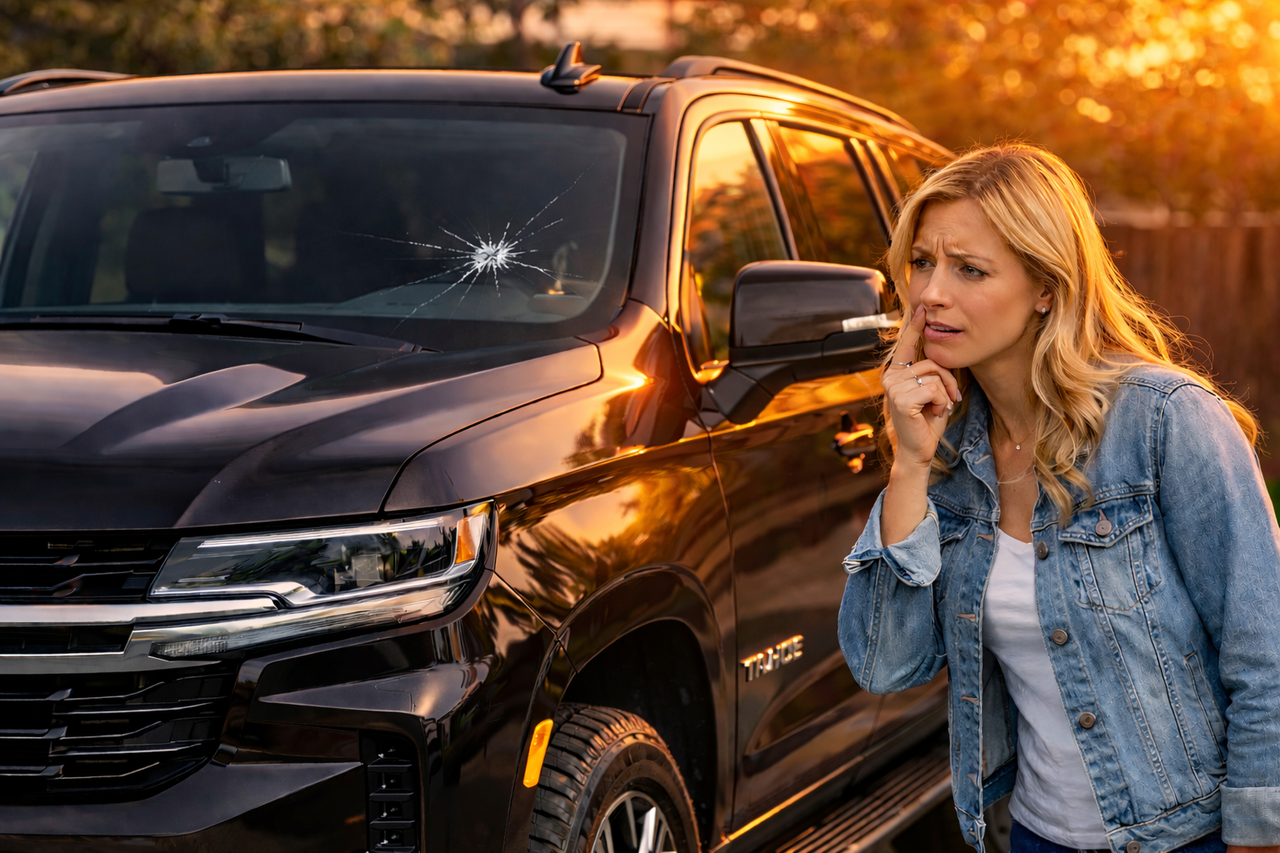
Drivers often underestimate how wide the “critical vision area” is. Imagine the sweep of your wiper blades and draw a rectangle centered where your eyes typically focus. Anything inside that zone needs to meet a higher standard. A star break the size of a dime on the passenger side can be a routine repair. The same break directly in front of the driver may still be fixable, but if it distorts the view or scatters light, a sanford windshield replacement is the safer call. Technicians use judgment here. The top shops in auto glass Sanford know that even a textbook repair becomes a liability if it impairs visibility.
Anecdotally, the worst glare issues come from cracks that intersect at odd angles, creating a prism effect. You’ll notice this most on late‑day drives west toward Lake Monroe when the sun sits low. If you’ve caught yourself tilting your head to avoid a reflection line, you’ve waited too long.
Crack anatomy: length, depth, and location
Cracks behave like living things in Sanford’s climate. Heat expands glass, shade cools it, then afternoon storms soak a hot windshield. The stress cycles drive even small cracks to grow. The rule of thumb many sanford windshield repair techs use is straightforward. If a crack is longer than the width of a bill folded lengthwise, it’s usually beyond reliable repair. Once a crack reaches the edge of the glass, replacement becomes more likely because the glass loses its ability to distribute stress.
Depth matters as much as length. Auto windshields are laminated, two sheets of glass bonded to a layer of polyvinyl butyral. A surface crack that hasn’t penetrated the inner layer may be fixable. If your fingernail catches consistently and you can see dark lines under different lighting, the crack likely reached deeper. On a hot day, mist a little water across the area. If the crack darkens unevenly or seems to widen for a moment, the bond is compromised.
Location adds another layer of judgment. Edge cracks propagate faster because the perimeter lacks the reinforcement found in the interior. Cracks near the corners can also be symptoms of an installation problem or previous stress from a minor collision. When damage sits within a couple of inches of the edge, a sanford auto glass replacement is usually the wise choice, even if the crack is short. It might hold for a week, then fail in an instant when you hit a pothole on 17‑92.
Chips aren’t all equal: bulls‑eyes, stars, and combinations
Not all rock chips behave the same way. Bulls‑eye chips, with a distinct circular cone, often repair cleanly if treated quickly. Star breaks, with radial legs that fan out, present more risk because each leg is a potential crack. Combination breaks mix elements of both, frequently leaving small air pockets that resist resin.
The size guide most reputable shops use: if the chip is smaller than a quarter and not in the critical vision area, rock chip repair Sanford services can often restore strength and clarity. Wait too long and dirt, moisture, and even windshield washer fluid can infiltrate. I’ve seen chips repair elegantly at day two and look cloudy at day ten simply because dust settled in and prevented the resin from bonding smoothly. If rainwater has been creeping in for weeks, a repair might stabilize the spot but still leave a visible blemish. Decide early and you’ll save money.
Another detail most drivers miss is temperature. If your windshield is blazing hot from parking in full sun at Fort Mellon Park, cool the cabin slowly. Blasting the AC can shock the glass, and a minor chip can sprout legs. Keep a shaded sunshade handy, crack the windows a bit when parked, and don’t scrub the area aggressively during washes. Small habits buy time.
When repair isn’t enough: safety and structural roles
A windshield is not just a window. In late‑model cars, it helps support the roof, contributes to the way airbags deploy, and stiffens the front structure. A compromised windshield doesn’t just affect visibility, it can change how the cabin behaves in a crash.
If you have a crack that intersects the passenger‑side airbag deployment zone, most technicians won’t risk a repair because the glass needs to support the bag’s push. Similarly, if damage compromises more than one layer of the laminate or sits across a wide arc in front of the driver, a sanford windshield replacement is the responsible path.
Here’s where experience shows. If the crack crosses the dash sensor zone in vehicles with forward collision cameras, the calibration process after replacement becomes essential. Skipping it or using a shop that doesn’t handle calibration introduces another hazard. Make sure your provider can recalibrate driver‑assist systems or works with a partner who can. The better shops in sanford auto glass repair will tell you upfront if your model year requires static or dynamic calibration and set expectations about timing.
The Florida factor: heat, storms, and road grit
Sanford sees more than its share of temperature swings and flying debris. A typical summer day starts humid, spikes in the afternoon, then cools after a thunderstorm. That cycle puts windshields through repeated expansion and contraction. Any existing damage, even a clean bulls‑eye, becomes a weak point. Add urban roadwork, occasional sand at intersections, and loose gravel from landscaping trucks, and you get a steady stream of impacts.
I sometimes suggest drivers keep a transparent chip patch in the glove box. It’s a small adhesive film you place over a fresh chip to keep moisture and grime out until you can get rock chip repair Sanford service. Used correctly, it can mean the difference between a neat, near‑invisible repair and a cloudy spot that nags you until the next replacement.
Driving habits and routes matter too. If you commute along I‑4 during peak construction, follow distances shrink. Keeping a few extra car lengths between you and trucks reduces the odds of catching the next pebble. Speed magnifies chip damage. The physics aren’t complicated. A small stone at 70 miles per hour hits with far more energy than the same stone at 45. If you notice a fresh chip, consider detouring to surface streets and arrange a mobile repair quickly.
Repair versus replacement: honest math and hidden costs
Drivers ask a fair question: how do you know when replacement is the better economic choice? Start with the severity thresholds above. Add these cost‑driven realities. First, multiple chips clustered in the driver’s view can each be fixable, but once you add labor and the risk that one will spread later, replacement may be cheaper over a six‑month horizon. Second, some insurers waive deductibles for chip repairs but not for full replacements. Call them before you decide. If the deductible rivals the cost of repair, opt for repair immediately. If your comprehensive coverage supports replacement at a minor out‑of‑pocket, don’t delay.
Consider time. A mobile auto glass Sanford technician can usually fix a chip in under 30 minutes, and the car is drivable right away. A full sanford windshield replacement takes longer, then needs cure time. With modern urethanes, safe drive‑away can be as little as one to three hours, but only if conditions are right and the adhesive used is rated for that cure window. Ask your technician for the specific safe drive time. If you need the vehicle for work within the hour, a repair might fit your schedule better, provided it’s appropriate for the damage.
Also weigh future value. If you plan to keep the car for years and the current windshield has multiple prior repairs, optical clarity may already be compromised. A fresh OEM or high‑quality aftermarket windshield restores both strength and appearance.
Mobile service or shop visit: what works best in Sanford
Sanford mobile windshield repair and replacement has improved dramatically. Mobile rigs carry vacuum injectors for chips, primers for proper adhesion, and glass racks for common models. For straightforward jobs, mobile service saves time and keeps you off the road with a cracked windshield Sanford drivers shouldn’t be relying on.
But there are times a shop is the better choice. Camera and radar calibrations often require controlled environments, target boards, and level surfaces. Heavy rain or high winds can contaminate a bonding surface, making mobile replacement risky. If your car requires Advanced Driver Assistance Systems recalibration, ask whether the provider can perform static calibration in‑house or prefers to do dynamic calibration with a road test. Both methods are used in the industry. Dynamic calibration may require clear weather and specific speeds, which not every route can offer safely.
Shop installs also help with vehicles that need pinch‑weld preparation or rust treatment along the glass channel. Rust under the old urethane is a silent problem. Good technicians scrape, prime, and seal those areas before bonding the new windshield. Rushing that step on a windy day in a parking lot can bite you later with leaks or wind noise.
Edge cases you only learn from the field
Some damage looks bad and isn’t, other damage looks minor and hides a bigger issue. Here are patterns I’ve learned to respect. A long, faint diagonal line starting low on the passenger side after a morning drive often indicates a stress crack that began at the edge. It may not come from an impact, which means it wasn’t your fault and might be covered differently by insurance. Short, crescent‑shaped cracks near the bottom corners after a cold start can point to rapid defrost use on a hot glass. If your defroster melts frost in streaks, the wire grid may be uneven, creating hotspots.
Sometimes a persistent whistle at highway speed after a mild chip repair isn’t the repair at all, but a separate seal issue up the A‑pillar. If you hear noise that wasn’t there before, mention it during your service call. The remedy could be a trim re‑seat rather than glass work. Likewise, moisture on the floor after heavy rain may trace to a sunroof drain rather than a windshield leak. The best sanford auto glass repair shops will help you diagnose before they sell you a replacement.
ADAS, sensors, and why calibration isn’t optional
Modern windshields carry more than glass. Many include brackets for forward‑facing cameras, humidity sensors for automatic HVAC, rain sensors for wipers, and heaters around the wiper park area. When you replace a windshield on a car with lane keeping or automatic emergency braking, the camera’s view of the world changes slightly. Calibration aligns the camera with the vehicle’s known geometry so the software can interpret edges and Sanford Auto Glass distances correctly.
Drivers sometimes ask if they can skip calibration when the camera “seems fine.” I’ve seen test drives where the car drifted a foot toward a lane line before intervening, then corrected too late. A proper static calibration with targets ensures the system understands straight ahead. A dynamic calibration verifies function during a guided drive. If your provider installs the glass and hands you the keys without mentioning calibration on a camera‑equipped car, that’s a red flag. Choose a sanford auto glass replacement team that owns the process or coordinates it before you leave.
Quality glass and adhesives: what to ask before you book
Not all glass is equal. OEM glass matches the original specifications, including acoustic layers and tint. Aftermarket glass varies by manufacturer. Good aftermarket options exist, and many are excellent, but confirm that the glass meets or exceeds federal motor vehicle safety standards. Ask about the brand. Pilkington, Saint‑Gobain, and AGC are familiar names in the field. For adhesives, urethane quality and cure time matter. Fast‑cure products can reach safe drive strength sooner, but only if applied under recommended temperature and humidity conditions.
If your car has a heads‑up display or acoustic interlayers, make sure the replacement windshield supports those features. A generic pane might fit but leave you with ghosting in the HUD or more cabin noise. One customer I worked with drove around with a faint double image for weeks after an otherwise clean install because the wrong spec glass went in. It took a second replacement to fix it. Getting the details right the first time costs less than redoing the job.
Practical checkpoints before, during, and after service
Use this short checklist to keep things on track without turning the appointment into a project.
- Identify the damage type and location: length of crack, distance from edge, and whether it’s in the driver’s direct view.
- Confirm features: ADAS cameras, rain sensors, heated wiper area, HUD, or acoustic glass.
- Ask the shop about glass brand, adhesive type, safe drive‑away time, and whether calibration is included.
- Choose mobile or in‑shop based on weather, calibration needs, and your schedule.
- After installation, inspect sightlines, check for wind noise on a test drive, and verify no warning lights remain.
When a repair makes better sense
A good sanford windshield repair can last the life of the vehicle. That’s not sales talk, it’s practical experience when the right conditions line up. Fresh chip, no contamination, small diameter, not in the critical vision area, and no radial legs longer than an inch. The repair should restore structural integrity, reduce the visible blemish dramatically, and prevent spread. Some shops use vacuum‑assisted injectors to pull out air and moisture before flowing in resin, which improves results. If a repair tech declines a job because the chip is contaminated or sits too close to the edge, that’s professionalism, not laziness.
The cost difference is real. Rock chip repair Sanford services often run a fraction of a replacement and can be done while you’re parked at work. For fleet vehicles or delivery drivers around Sanford, a proactive chip repair habit saves headaches. A tiny chip on Monday can be a foot‑long crack by Friday after two hot‑cold cycles and a sudden downpour.
Side and rear glass: different glass, different rules
Front windshields are laminated. Side windows and rear windows on many vehicles are tempered, designed to shatter into small pieces for safety. A small crack in a side window is uncommon because tempered glass tends to fail all at once. If you see a nick or a small radiating mark in side glass, treat it as unstable. A sudden door slam can set it off. Sanford car window replacement typically means swapping the entire pane. The silver lining is that tempered replacements are often quicker and don’t require the cure time a windshield does.
Rear windows can include defroster grids and antenna elements, so make sure your provider can reattach or replace connectors and test function before you leave. Water leaks in the cargo area after rear glass replacement usually point to a seal seating issue. The shop should water‑test their work.
Leaks, squeaks, and other post‑replacement realities
Even a perfect install can reveal issues once you’re back on the road. Light wind noise at 60 miles per hour may settle as the urethane cures fully, but persistent whistling suggests a trim gap. Water along the A‑pillar after heavy rain calls for immediate attention. Do not accept a “just give it a week” answer for leaks. Correcting a leak early is straightforward. Waiting lets water migrate behind the dash or into electronics. Most reputable shops in auto glass Sanford offer workmanship warranties and would rather fix a minor gap than risk long‑term problems.
Another reality is glass variance. Two windshields from different manufacturers can have slightly different optical characteristics. If you notice distortion near the lower corners where the glass curves, mention it early. A mild magnifying effect in extreme edges is common, but visible waves in your central view are not acceptable.
Insurance and paying smartly without surprises
Call your insurer before booking, even if you plan to pay cash. Many policies in Florida cover chip repairs without a deductible and treat replacements differently. If you have comprehensive coverage, there’s a good chance sanford auto glass replacement is covered, but confirm limits. If you choose a shop outside your insurer’s preferred network, ask whether direct billing is available or if you’ll need to submit a claim. Reputable shops handle both gracefully.
Watch for vague quotes. A solid estimate should specify glass type, brand, whether moldings are included or reused, calibration cost if applicable, and sales tax. If a quote is far lower than others, it may be omitting calibration, using a lower‑grade adhesive, or planning to reuse a molding that should be replaced. The cheapest job is expensive if you redo it a month later.
Timing: how long can you safely wait
A small, clean chip outside the driver’s view can wait a few days. A crack longer than a few inches or any damage near the edge deserves prompt attention, ideally within 24 to 48 hours. Florida heat accelerates failure. If rain is in the forecast and your damage is open to the elements, cover it temporarily and park under shelter. For work schedules that make shop visits hard, mobile auto glass Sanford services can meet you at the office or at home and get you back to safe driving the same afternoon.
If you’re preparing for a road trip up I‑95 or across the state, don’t roll the dice. Highway speeds and sustained heat cycles are hard on marginal glass. I’ve seen a hairline crack that was stable for weeks run halfway across the windshield midway through a long drive, leaving a driver squinting through a distracting line the rest of the way.
A final filter: if you’re hesitating, use these five questions
Keep this brief decision aid on your phone. It doesn’t replace a technician’s inspection, but it helps you decide what to do next.
- Does the damage sit in your direct line of sight or within the wiper sweep where glare is a problem?
- Is the crack longer than roughly six inches, or does it touch the edge?
- Do you have cameras, sensors, or HUD features that complicate the job and make calibration necessary?
- Has moisture or dirt had time to infiltrate a chip, reducing the chance of a clean repair?
- Does your insurer cover repair now at low cost, making immediate action the cheaper option?
If you answered yes to any of the first three, schedule a sanford windshield replacement. If you answered yes to the last two, arrange a same‑week repair with a qualified shop.
Choosing a provider you can trust
Look for established operations that service both retail and fleet customers. Fleets don’t tolerate repeat issues, so shops that keep those accounts usually sweat the details. Ask how long they’ve served the Sanford area, whether they handle ADAS calibration in‑house, and what their workmanship warranty covers. Pay attention to how they talk about repair versus replacement. If they push replacement for every chip, keep looking. Balanced shops welcome rock chip repair when it’s appropriate and advise replacement when safety or optics require it.
Mobile service should feel professional. The technician should protect the paint and interior with fender covers and mats, use clean gloves while handling the glass, and explain safe drive‑away time clearly. A proper receipt lists the adhesive brand and batch, the glass make, and the calibration method if used. Those details protect you if you ever need to make a warranty claim.
The quiet payoff of timely action
When you fix damage promptly, your car feels right again. No glare line catching your eye late in the day, no nagging worry that a sudden rain will finish what a rock started. In an area like Sanford, where daily heat and sudden storms exploit every weakness, fast, informed decisions about auto glass pay off more than most maintenance choices. Whether you opt for a quick sanford windshield repair at your office or schedule a full sanford auto glass replacement with calibration at a shop, the goal is the same: restore clear vision and structural confidence.
You’ll know it’s time when you find yourself adjusting your posture to avoid a crack, or when you catch that chip with your fingernail and feel it has deepened, or when you crank the AC and hold your breath, hoping the line doesn’t grow. That’s the moment to stop gambling and call a reliable local pro. The best sanford mobile windshield repair teams make the fix feel easy, and the right decision, the one you make now rather than later, tends to be the cheapest and safest in the long run.
Leave a Reply