
Windshield glass carries more responsibility than most people realize. It supports the roof during a rollover, helps airbags deploy correctly, and acts as your optical gateway at 70 miles per hour while Florida sun, rain, and road grit hammer away. In Sanford, where afternoon storms can go from mist to monsoon within a mile, the difference between top-tier and bargain auto glass shows up quickly. If you’re weighing a Sanford auto glass replacement, or trying to judge whether a quote reflects real quality or just a nice phone script, the materials tell the story.
I’ve been around plenty of installs, from fleet vans to older sedans and brand-new crossovers. I’ve watched a technician cut corners and I’ve watched a meticulous pro take an extra 20 minutes to prep the pinch weld the right way. The glass, the adhesives, and the small pieces you never see after the wipers go back on , those determine whether your windshield replacement feels factory-solid or starts buzzing by the next season.
Why material quality sets the ceiling for safety
Most drivers call about sanford windshield repair after a rock chip, a crack from a temperature swing, or a sudden spiderweb from highway debris. The immediate worry is visibility, but structure is the deeper risk. Your windshield contributes a meaningful share of cabin rigidity, especially in newer vehicles with thinner roof pillars. That structure only holds if the glass and adhesive behave as designed during a crash. A cheap urethane that peels in Florida heat or a mismatched windshield that shifts in the frame can compromise airbag timing or roof strength.
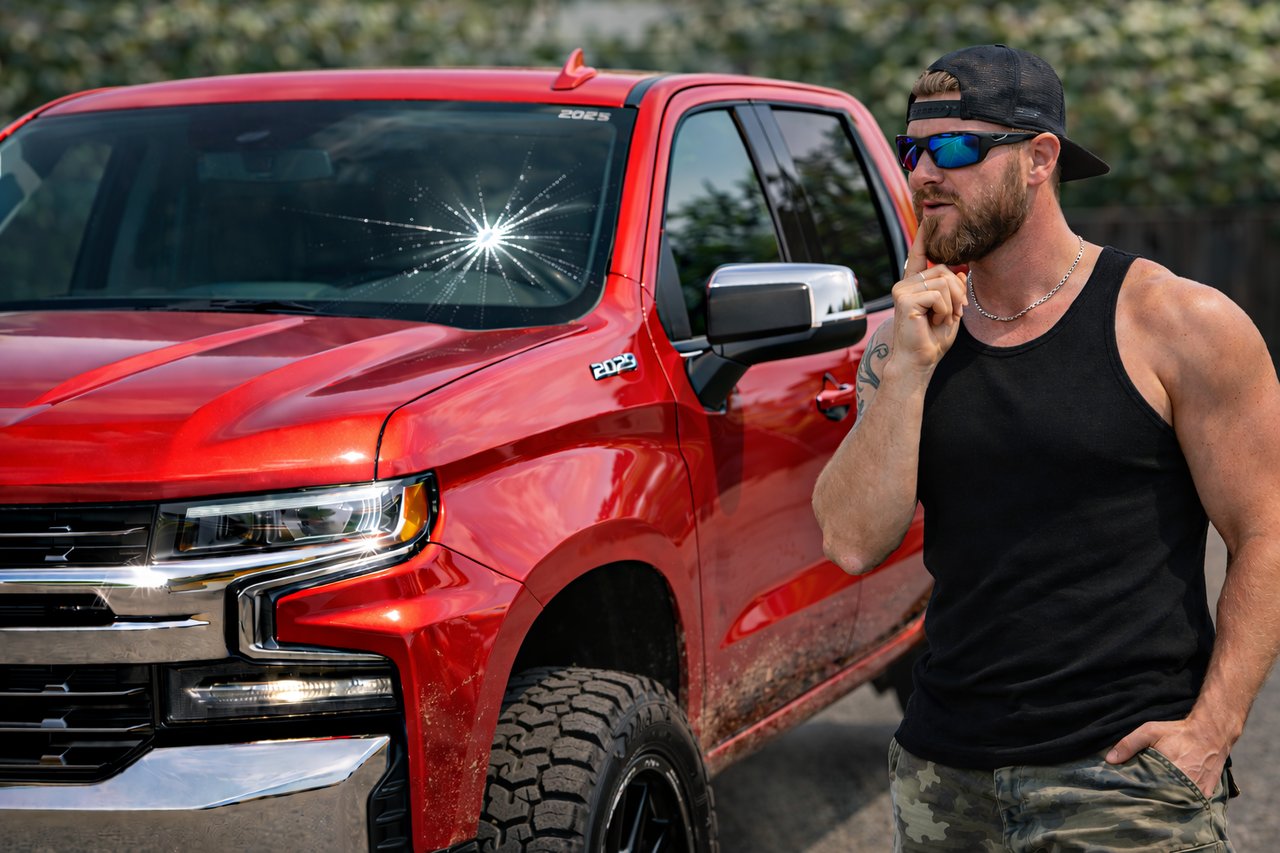
I’ve seen two similar cars with similar impacts show very different results. The one with OEM-spec glass and a premium fast-cure urethane kept the glass bonded, the airbags rode the glass properly, and the cabin stayed square. The other, with discount adhesive and a budget windshield, saw partial de-bonding, which changed how the passenger bag loaded. These events happen in milliseconds, but the decision to buy the right materials happens days earlier when you schedule your sanford auto glass replacement.
OEM, OE, and aftermarket: what those labels actually mean
The alphabet soup confuses even gearheads. Here’s how to read it when you’re comparing quotes for sanford windshield replacement or sanford car window replacement.
OEM glass is made by the same supplier that produced your car’s original windshield, to the automaker’s exact specification, often etched with the automaker logo. OE equivalent, sometimes called OEE, is produced by the same or a comparable manufacturer using the same tooling or spec, minus the automaker logo. Aftermarket glass can range from excellent to poor. The best aftermarket brands match curvature, thickness, and optical quality to OE spec. The worst cut corners on lamination quality or curvature tolerance, which shows up as distortion, wind noise, or edge stress cracks later.
Some vehicles have windshields that carry the burden of advanced driver assistance systems, like lane-keeping cameras and automatic braking. For these, a poor curvature or bracket placement becomes more than an annoyance. It can push the camera out of spec, force constant recalibration, and still leave the system drifting. When an installer in Sanford says they’ll handle calibration after the new glass goes in, ask whether they’re using OE or OEE glass with the correct camera bracket and ceramic frit design. If not, you’ll chase false alerts and steering nudges for months.
Laminated vs. tempered glass: where each belongs
Windshields are laminated. Side and rear windows, in most vehicles, are tempered. Laminated glass sandwiches a plastic interlayer, usually PVB, between two sheets of glass. It cracks under impact, but the interlayer keeps it in place and maintains a barrier. Tempered glass is heat-treated to be stronger than ordinary glass but shatters into small cubic pieces when broken. The materials have evolved over the past decade. Some luxury and EV models now use laminated glass for the front side windows to cut wind noise. If you need sanford car window replacement on a vehicle with laminated front side glass, verify the shop sources laminated replacements rather than reverting to tempered for convenience. It matters for theft resistance, acoustics, and structural support.
Thickness also matters. Most modern windshields fall around 4.5 to 5.5 millimeters for the full laminate stack. A thinner-than-spec laminate can flex more, which increases the odds of a stress crack after a hot-cold cycle or an impact near the edge. The difference doesn’t look obvious in your hands, but you’ll feel it months later.
How to spot good glass with your own eyes
You do not need lab instruments to pick up the big tells. Hold the windshield at a shallow angle to the light and scan from the center to the edges. Look for ripples, waves, or halo-like distortion, especially near the camera bracket area and along the bottom third where your eyes focus most often. Subtle, uniform tinting is fine. Wavy bands are not. On the edge, check the ceramic frit, that speckled border, for even coverage and clean cut lines. Ragged frit edges or overspray onto the viewing area show lax production controls.
Every windshield carries etchings: DOT number, manufacturer code, laminated symbols, and sometimes country of origin. A recognizable brand with a DOT number that matches known suppliers is a good sign. If you’re unsure, ask the shop to identify the maker. A professional sanford auto glass repair shop has no reason to be vague about it.
Another visible indicator is the bracket or mounting pad for sensors and mirrors. It should be bonded perfectly flat with no tilt. If it looks canted, even by a degree, your ADAS camera might never calibrate correctly. That small tilt becomes a large field-of-view error on the road.
Adhesives are not a commodity
People fixate on the glass and forget the glue that holds it in. Urethane is the standard. The differences lie in tensile strength, viscosity, conductivity for heated elements, and cure time. Premium urethanes sustain high bond strength through heat cycles and humidity, which Sanford supplies in abundance. Budget tubes can test fine on day one but creep or peel after a summer parked on blacktop.
Safe drive-away time depends on urethane chemistry, temperature, and humidity. On a hot August afternoon, a fast-cure urethane may reach safe drive status in about an hour. On a cooler, wet morning it can take several hours. When you booked a Winter-Ready Windshield Replacement Asheville: Cold Weather Tips mobile auto glass sanford appointment, you might have heard a standard drive-away estimate. A careful tech will adjust based on actual conditions, not just a script. If a shop tells you every job is safe to drive in 30 minutes, no exceptions, they’re reciting a brochure, not practicing field judgment.
Primer quality matters too. It seals the pinch weld and promotes adhesion. Skipping primer on a scratched or contaminated surface is one of the most common failure points I’ve seen. The glass itself can be flawless, but the bond fails because the installer rushed the prep.
The truth about acoustic, solar, and HUD windshields
Options complicate ordering. Acoustic windshields use a sound-dampening interlayer. Solar control adds infrared-reflective coating to keep cabins cooler. Head-up display windshields use a specialized PVB that reduces double images. If your car came with any of these, the replacement should match. A standard laminate in place of a HUD windshield will create ghosting in the projection. If you swap acoustic glass for standard, you may notice a louder cabin at highway speeds. It’s not the end of the world, but it’s an avoidable downgrade if the shop checks the build sheet before ordering.
For sanford windshield replacement on vehicles with these options, ask the shop to decode your VIN. A professional Sanford Auto Glass can pull the exact glass variant and avoid guesswork. This is where price differences between quotes often hide. One shop priced a basic windshield, another priced the correct HUD-acoustic-solar combo. Comparing them as if they’re equal leads to disappointment after install.
Calibrations: materials set the stage for accuracy
Many Sanford drivers discover calibration only after the glass is in and the dash lights up with ADAS warnings. Calibration can be static in-shop with targets, dynamic through driving, or both. It’s not optional if your vehicle requires it. Subpar material choices can sabotage calibration. Misplaced mounts, distorted curvature, or incorrect frit patterns around the camera area can prevent cameras from seeing the targets clearly. I’ve watched a tech spend hours on a stubborn calibration that finally resolved only after swapping to a better windshield variant.
If you use sanford mobile windshield repair for a full replacement, check how they handle calibration. Some units carry portable targets and can do it curbside. Others partner with a local facility. Either way, the material spec should match what the calibration system expects.
Weather and curing in Central Florida reality
Sanford’s moisture and heat predictably stress a new install. Adhesive cure time accelerates in warmth but humidity affects surface prep and primer behavior. A hurried mobile job in a sudden downpour invites contamination. That doesn’t mean you need a shop-only install. It does mean the technician should control the environment as much as possible, from using canopies to timing the sealant application. If the forecast calls for a line of storms marching up I-4 all afternoon, rescheduling beats compromising the bond. A thoughtful shop will say so and protect you from an early failure.
Reading a quote without getting lost
One shop quotes hundreds less. Another won’t lock down a firm price until they run your VIN. That second approach usually signals genuine parts matching. If your vehicle uses rain sensors, heated wiper park, or camera heaters, the glass must carry the correct pads and connectors. The cheap quote may omit those, then add “transfer labor” or substitute incompatible parts at install time. You want the out-the-door number for the exact part, adhesive kit, moldings, and calibration if needed.
A professional sanford auto glass repair operation should be transparent about brand, DOT code, adhesive brand and cure time range, and whether moldings and clips are new or reused. Reusing clips can work in a pinch, but fragile cowl and A-pillar clips often crack on removal. New clips reduce rattles and water intrusion later.
What to look for on install day
When the van pulls up for mobile auto glass sanford service, the materials should look purposeful, not like a random assortment from a hardware store. The glass stays in its protective sleeve until prep. The technician cleans and dry fits before committing. You’ll see a glass cleaner, glass primer, body primer for bare metal if any spots were exposed, and a high-quality urethane with a date code that isn’t expired. The bead should go down in a consistent triangular shape, not a lumpy spiral.
Wiring for heated elements and sensors should click into place with a positive engagement. Loose or taped connections are a red flag. Molding should seat flush without visible gaps. Ask about tape on the top edge. Some shops use painter’s tape for 24 hours to keep moldings pressed while the urethane sets. That’s normal. So is a request to avoid car washes and door slams for a day. What isn’t normal is visible urethane smearing the interior pillars or a steering wheel covered in dust. Respect for the cabin usually parallels respect for materials.
Warranty language that actually means something
Every sanford auto glass replacement should come with a written warranty on both materials and workmanship. A lifetime warranty against air and water leaks is common and fair. Read the fine print on stress cracks. A sudden temperature swing can crack even a perfect install, especially if the chip was close to the edge. Some shops cover stress cracks for 30 to 90 days. Many don’t. If your vehicle uses HUD or ADAS, check that the warranty covers successful calibration and re-calibration if needed after the initial install.
Another practical clause is OEM-or-better for fit and function. If a shop promises “OEM or equivalent,” ask them to define equivalent and name the brand. For specialty vehicles or rare trims, they may need to special-order. Waiting a day for the correct part beats living with optical distortion for years.
When repair beats replacement
A lot of cracked windshield Sanford calls begin with a question: can a repair save it? If the damage is a small rock chip or a short crack that doesn’t reach the edge, a skilled sanford windshield repair can stabilize the glass and preserve the factory seal. The resin a technician uses also varies in quality. A thin, low-viscosity resin can wick into tight star cracks. A thicker resin suits bullseyes. UV curing strength matters for a lasting repair. The best techs carry multiple resins and curing lights with adequate output.
Edge cracks, damage in the driver’s primary viewing area, or chips that compromise a camera bracket area usually push you to replacement. The choice hinges on safety and structure, not just cost. A well-done rock chip repair Sanford service can keep you on the road for years if caught early. Waiting a couple of weeks while summer storms and heat work on that chip turns a cheap fix into a full replacement.
The quiet details: moldings, clips, and cowls
Glass gets the attention, but the trim around it prevents leaks and noise. Dry, brittle moldings don’t reseal well. If your vehicle uses an encapsulated molding that’s part of the glass, then replacing the glass replaces the molding by default. If it uses separate rubber or plastic pieces, consider fresh parts. Clips along the A-pillars and at the cowl tend to break on removal. Reinstalling them half-broken invites rattles at 45 mph and a whistling tone at highway speed. Every experienced technician carries extra clips. Ask, and most will show you the bag.
A proper bead of urethane sits high enough to contact the glass across its entire run after placement. If the bead is too thin in one section, a gap may open that no amount of tape will fix. You won’t see this after the glass goes in, but you’ll hear it as wind noise. The cure is a careful installer and a consistent bead, not miracle sealants after the fact.
When mobile service makes sense, and when a shop is safer
Sanford mobile windshield repair and replacement shines for straightforward jobs in good weather. Fleet vehicles, older cars without ADAS, and midline sedans can be serviced curbside without compromise. Mobile Auto Glass Asheville for RVs and Trucks: Special Considerations Complex jobs that need static calibration targets, precise humidity control, or bodywork at the pinch weld belong in a shop. If your car took a hit that bent the frame rail or kinked the roof, the glass opening could be slightly out of square. A shop can measure that and coordinate with a body repair before seating a new windshield.
Mobile vans vary. Some carry full calibration rigs and humidity meters. Others are bare-bones. A reputable mobile auto glass Sanford outfit will tell you if your vehicle needs a shop visit instead. Take that as a sign they value the result, not just the booking.
Cost signals that correlate with quality
Prices fluctuate by vehicle and features, but certain patterns hold. If one quote for sanford windshield replacement is far below the typical range for your model, assume compromises somewhere. It could be a basic aftermarket windshield instead of an acoustic HUD variant, a slow-cure shop adhesive used in quick-turn mobile conditions, or reused moldings and clips presented as a “green” choice. On the other end, the highest quote is not automatically the best. Sometimes it bundles services you don’t need, like calibration on a car without cameras.
Ask for a simple breakdown: glass brand and variant, adhesive brand and safe drive-away window, new moldings and clips yes or no, calibration included or referred, mobile fee or shop price, taxes and disposal. Clear line items discourage bait-and-switch games.
Practical checks you can do after the install
A few simple actions the evening after your sanford auto glass repair can validate the materials and workmanship without tools.
- Stand outside at dusk and aim your eyes across the glass from a low angle. Watch for distortion, especially in the lower center where your vision normally passes. Minor bending near extreme edges is common, but central distortion suggests subpar glass.
- Drive a short loop at 35 to 50 mph with the radio off. Listen for a steady wind tone from one corner or an intermittent rattle at the cowl. Both point to molding or clip issues, not the glass itself.
- Spray water along the top edge and A-pillars with moderate pressure. Look for weeping inside. A clean install with good materials stays dry.
- If you have ADAS, use a well-marked road and watch whether lane-keeping and forward collision behave normally. If the car prompts for calibration or acts skittish, call the shop immediately to schedule it.
- Check the paperwork for adhesive cure guidance and honor it. If the urethane needs more time based on temperature and humidity, waiting protects you and the bond.
Local context matters in Sanford
Central Florida’s heat loads interiors and seals daily. Afternoon storms soak everything and vanish in minutes, leaving heat steaming off asphalt. Pollen season spreads fine dust that sticks to every surface. All of this tests a windshield bond and edge seal. Premium urethanes designed for high-temperature cycling, fresh moldings and clips, and careful glass prep rank higher here than in milder climates. Plenty of national chains do fine work, but local experience with Sanford conditions shows up in the prep and the product choices. If a shop talks about surface rust treatment on older frames, about adjusting drive-away times on muggy days, or about swapping to a higher-viscosity urethane in summer, you’re hearing real-world experience.
A word on insurance and steering
Many cracked windshield Sanford calls start with insurance. Florida policies often carry glass coverage without a deductible, though terms change and differ by carrier and plan. Some insurers try to steer you to a preferred network. You can usually choose any licensed shop. If you want a specific glass brand or OEM, tell both the shop and the claims handler. The shop can justify the need based on ADAS or HUD requirements. A pushy claim representative saying “all glass is the same” is skipping important distinctions. The right materials prevent repeat claims and headaches, which carriers should welcome.
When a chip can save a windshield
Not every impact needs a full replacement. If you catch a chip early, a proper rock chip repair Sanford service can preserve the factory seal, which is almost always the best seal your car will ever have. Fast action matters. In summer, thermal swings and vibration spread chips into long cracks within days. A good tech will clear loose glass, pull a gentle vacuum, inject resin matched to the crack type, and cure with a strong UV light. The result won’t disappear entirely, but the structural integrity returns and visibility improves. If the chip sits in the driver’s direct line of sight, repair may not be advisable because residual marks can distract, and Florida inspections in some contexts favor clear fields of view. Discuss this trade-off with the technician before committing.
Bringing it together: materials drive outcomes
Whether you’re arranging a sanford mobile windshield repair at your driveway or dropping the car at a shop, the outcome hinges on three material decisions: glass that truly matches OE spec and your vehicle’s options, adhesive that holds under Sanford’s heat and humidity, and the small hardware that keeps noise and water out. Technicians and process matter just as much, but even the best installer can’t turn poor glass or old clips into a lasting, quiet, safe setup.
If you ask pointed questions about glass brand and variant, DOT codes, adhesive type and cure windows, new moldings and clips, and ADAS calibration plans, you’ll signal that quality matters. Quality vendors respond in kind. The final proof sits in your daily drive. Clear optics, quiet seals, correct sensor behavior, and a windshield that still looks new after a brutal summer are the signs you got the materials right. And that’s what turns a routine sanford auto glass replacement into a repair you forget about for the next five years, which is the highest compliment in this trade.
Leave a Reply