
A rock skips up from a construction truck on 17-92, or a branch snaps loose in a summer storm along Lake Monroe. You hear the pop, then watch that hairline crack trace across the glass. Most drivers in Sanford eventually deal with a cracked windshield or a chipped side window. The good news is that Florida insurance rules are unusually friendly to glass repairs and replacements, but you need to know how to use them. The difference between a smooth, no-cost fix and a week of phone tag often comes down to timing, documentation, and picking a shop that speaks the same language as your insurer.
This guide pulls together practical advice from years of working with drivers, shops, and carriers in the area. It covers how coverage typically applies to Sanford auto glass repair, why some claims sail through and others bog down, what to ask your insurer before you book Sanford windshield replacement, and how to navigate mobile service and calibration so you do not pay out of pocket later.
The Florida twist that changes everything
Florida treats auto glass differently from most states. If you carry comprehensive coverage, Florida law generally allows you to replace a damaged windshield with no deductible. In plain terms, many drivers pay zero for Sanford windshield repair or replacement when the damage is covered under comprehensive. This does not mean every piece of glass is free under every policy. Side windows and back glass often still fall under comprehensive but may be subject to your deductible. The exact language varies by insurer and by endorsement.
Important nuance: some carriers offer full glass endorsements that extend the zero-deductible benefit to all vehicle glass, not just the windshield. Others limit the no-deductible benefit to the windshield only. If you lease your car or finance it, your contract may also require prompt repair or replacement to keep your vehicle in compliance, which can influence timing.
I’ve watched drivers assume everything is covered, then balk at a deductible for a shattered quarter window after a break‑in. A quick call to your insurer before scheduling Sanford car window replacement avoids surprises. If you are unsure which coverage applies, your glass shop can run the claim with you on the phone, but it helps to know your policy basics first.
Repair versus replacement, and why the choice matters for claims
Not every crack means a new windshield. A small rock chip repair in Sanford is often quick, strong, and free of a claim surcharge. Many carriers prefer repair over replacement when it is safe because it costs less and preserves the factory seal. The safety rule of thumb: repairs work best for chips smaller than a quarter and short cracks that do not reach the edge of the glass, provided the damage sits outside the driver’s primary sight line.
The claims angle: if a repair is feasible, your insurer will often approve it immediately, and the technician can handle it in your driveway. If the damage crosses into the critical area or the crack migrates to the edge, replacement becomes the safe move. Once you cross into replacement territory, ADAS recalibration may be required, which adds cost and coordination. Modern cars rely on cameras mounted to the windshield for lane keeping or automatic emergency braking. Replacing glass without proper camera calibration is risky and can void warranty coverage or compromise safety features.
When you call for Sanford auto glass replacement, the shop should ask about your vehicle year, trim, and features. A 2020 RAV4 with a camera bracket and rain sensor is a different job, and a different claim, than a 2011 Civic with plain laminated glass. Experienced teams in mobile auto glass Sanford workflows will confirm part numbers using your VIN before they schedule the install and will line up recalibration if needed.
The most common pitfalls and how to avoid them
I see the same mistakes repeat. A driver delays a repair, the Florida sun heats the glass, and a stable chip spiders into a foot-long crack. What would have been a 30-minute rock chip repair in Sanford turns into a full replacement plus calibration. Another driver assumes the no-deductible rule applies to all glass, then gets billed for a rear door window. Others book with a shop that does not handle calibration, then end up making two extra trips to get driver-assist features working again.
A little discipline up front saves time and money. Photograph the damage as soon as it happens, note the location and size, and call your carrier or your preferred shop the same day. Ask specifically whether your policy includes full glass coverage beyond the windshield. If your vehicle has adaptive cruise or lane keep, ask whether the quote includes onsite or partner-facility calibration. Shops accustomed to Sanford mobile windshield repair will either calibrate in-house or coordinate with a local calibration center, then submit the combined invoice to your insurer.
What your insurer needs to approve a glass claim
Insurers process glass claims quickly when they see clear facts. The adjuster wants three things: your policy and contact details, a description of the damage with date and approximate location, and confirmation that the service provider is licensed and will warranty the work. If it is a straight windshield repair, you will usually get an authorization number during the call. If it is a replacement on a vehicle with ADAS, the adjuster may require the shop to include calibration documentation with the final invoice.
Insurers sometimes route you to a preferred network. You can usually choose any qualified shop for Sanford auto glass repair, but if you go out of network, your adjuster may require more documentation, such as part pricing or photos. In practice, reputable local shops already know the drill. They will confirm coverage, obtain the authorization, and keep you out of the back-and-forth.
When mobile service makes sense, and when a shop visit is smarter
Mobile service is a gift on busy days. A technician can come to your office near the hospital or your driveway in Midway and complete a windshield swap in roughly 60 to 90 minutes, depending on the vehicle. For basic vehicles without cameras, mobile is often ideal. Sanford mobile windshield repair for chips is particularly fast, often under half an hour.
For vehicles with camera systems that require static or dynamic calibration, the best solution depends on the make. Some vehicles support dynamic calibration, meaning the tech can drive the vehicle on a prescribed route to recalibrate sensors. Others require a static calibration using targets in a controlled environment. If your Sanford Auto Glass vehicle demands static calibration, a shop with a calibration bay is safer. A well-run provider will advise you either way and schedule the job accordingly.
The economics of glass work in Sanford
Parts pricing on glass swings based on options. An aftermarket windshield for a model without sensors might be a couple hundred dollars. Add acoustic interlayers, solar coatings, a rain sensor, and a camera bracket, and the glass can run several hundred more. OEM glass is pricier still. Labor rates vary by complexity and whether molding and clips must be replaced. Calibration can add another hundred or two for dynamic procedures, and more for static set-ups requiring targets and measurements.
If you are paying cash, ask for two quotes: aftermarket and OEM. On newer vehicles still under warranty or when ADAS performance is critical, OEM glass often avoids compatibility headaches. If insurance is footing the bill, the carrier may approve high-quality aftermarket glass that meets Federal Motor Vehicle Safety Standards. If you strongly prefer OEM, discuss it at the outset. Some policies or lease agreements specify OEM glass within the first few years of ownership.
Safety and quality checkpoints you can verify yourself
Drivers rarely climb into the weeds on glass installation, but a few quick checks make a big difference. After a replacement, examine the moldings for gaps and make sure the glass sits evenly in the opening. Ask the technician to show you the glass label, which indicates the manufacturer and compliance markings. On ADAS-equipped cars, verify that the calibration report is attached to the invoice, and test lane-keep and forward-collision alerts on a safe, straight road when you pick the car up.
Water leaks are uncommon when the site is prepped correctly, the urethane is fresh and within date, and proper cure time is observed. If mobile service is performed during a thunderstorm, expect the tech to reschedule because contamination risks increase. Good shops stand behind their work with a written warranty against leaks and defects. Keep that paperwork in your vehicle records; it matters if you sell the car or need future service.
Edge cases: vandalism, storms, and out-of-state incidents
Not all glass damage comes from road debris. Break‑ins and vandalism fall under comprehensive in many policies, but the deductible often applies unless you carry a special endorsement. Photographs and a police report usually help your claim. After storms, insurers see a surge in glass claims. When hail or wind-driven debris shatters glass, you may be dealing with broader body damage, which changes the adjuster’s process and scheduling. If the car is unsafe to drive, request tow coverage and ask the adjuster to authorize storage if needed.
If damage occurs while you are traveling out of state, your Florida comprehensive coverage still applies, but the shop may be unfamiliar with Florida’s windshield rules. Coordinate through your insurer to avoid billing hiccups. If you return home with temporary resin repairs or tape patches, a Sanford auto glass replacement appointment can finish the job and handle any calibration your road repair skipped.
How to pick the right provider for Sanford auto glass repair
Experience with insurers and modern vehicle tech matters more than a low headline price. You are looking for a shop that can verify coverage, source the correct glass the first time, and stand behind calibration. Many local providers offer mobile auto glass Sanford service that includes claims handling, but the quality and professionalism vary.
Here is a short, practical checklist you can use on the first call, and it fits on a sticky note.
- Can you verify my coverage and deductible with my insurer on a three-way call?
- Do you handle ADAS calibration in-house or through a partner, and will it be included on one invoice?
- Will you use OEM or OEM-equivalent glass for my trim and features, and can I choose?
- What is the expected onsite time and safe drive-away time for my vehicle?
- Do you provide a written warranty for leaks, workmanship, and calibration?
If a shop answers these questions clearly, you are usually in good hands. Vague responses about calibration or paperwork tend to predict delays.
Working with insurer networks without losing control
Most large carriers partner with third-party administrators to streamline glass claims. When you call your insurer, they may transfer you to a glass network that manages scheduling. These networks maintain lists of approved shops, including many in Sanford. Using the network speeds authorization and ensures the shop will be paid directly. You still control where your car goes. If you prefer a specific local provider, say so. The network can often add them to the claim or set up a one-time authorization if they already meet compliance standards.
One common friction point: part selection. Networks may default to aftermarket glass unless you or your vehicle’s specifications justify OEM. If you need OEM for calibration compatibility or lease requirements, ask the shop to document the need with the VIN scan and feature list. When the justification is clear, approval usually follows.
Timing and cure time, the unseen schedule items
The work itself might take an hour, but the urethane adhesive that bonds the glass to the frame needs time to cure before the vehicle is crash-safe. Modern urethanes commonly advertise safe drive-away times of 30 to 60 minutes under ideal temperature and humidity. That is a minimum safety threshold, not a guarantee of full cure. Follow the technician’s instructions on door slamming, car washing, and highway speeds for the next day. Drivers who rush this step sometimes end up with wind noise or minor leaks that would not have appeared if the car sat a little longer.
In humid Sanford summers, cure times can be favorable, but heavy rain during install is a red flag. Quality technicians will postpone if weather threatens the bond. On cool winter mornings, expect longer cure windows. If your schedule is tight, consider a first appointment at the shop instead of mobile service. A controlled indoor environment speeds safe completion.
Glass claims and your premium: what actually happens
Drivers worry that a glass claim will spike their rates. The reality is more nuanced. Comprehensive claims generally affect premiums less than at-fault collision claims, and many carriers classify windshield repair as a no-impact event. Still, if you have a string of comprehensive claims in a short span, your overall risk profile can shift, and rates may creep up at renewal. Ask your agent how your carrier handles glass claims. If your chip is small and you were already planning a windshield replacement later for unrelated wear, you might choose to pay cash for the repair to keep your claim count low. For most people, using the benefit you pay for makes sense, especially when state rules provide no-deductible windshield replacement.
What to expect during a typical Sanford windshield replacement
A well-orchestrated job looks uneventful. The technician confirms your identity, the vehicle, and the work order. They protect the paint and interior, remove moldings, cut the old urethane, and lift out the glass. The pinch weld is cleaned and primed, new urethane is applied, and the new windshield is set with a setting device to achieve even pressure. Sensors and brackets are transferred or connected, moldings are reinstalled, and the area is cleaned. If calibration is needed, the dynamic procedure may follow, or you will head to a calibration bay for static work. You sign the paperwork, review the warranty, and drive away after the safe window closes.
The quiet things that distinguish a careful job: the tech checks expiration dates on primers and adhesives, applies the correct bead size, and records batch numbers on your invoice. They do not reuse brittle clips that invite wind noise. They scan for diagnostic trouble codes before and after to verify clean ADAS operation. These steps protect you if a problem appears months later.
Local conditions that influence glass wear in Sanford
Central Florida throws a specific mix at windshields. Afternoon thunderstorms, loose aggregate from frequent roadwork, and higher UV exposure all contribute to chips and micro-pitting. Drivers who commute on I‑4 or construction corridors see more hits. Parking under oaks avoids sun but adds sap and dropping debris. If you regularly park outside, a simple windshield shade reduces dashboard heat and slows the spread of hairline cracks. Replace wiper blades twice a year. Dry, chipped blades etch micro-scratches that create glare, and insurers will not cover a windshield just for cosmetic pitting.
If your windshield already shows heavy pitting, weigh the safety benefits of replacement even before a major crack. Night glare and wet-road halos can be fatiguing and reduce reaction time. If you carry comprehensive and your deductible applies to non-crack replacements, ask your shop to assess whether existing chips meet repair thresholds that support a claim.
When a quick repair beats waiting for parts
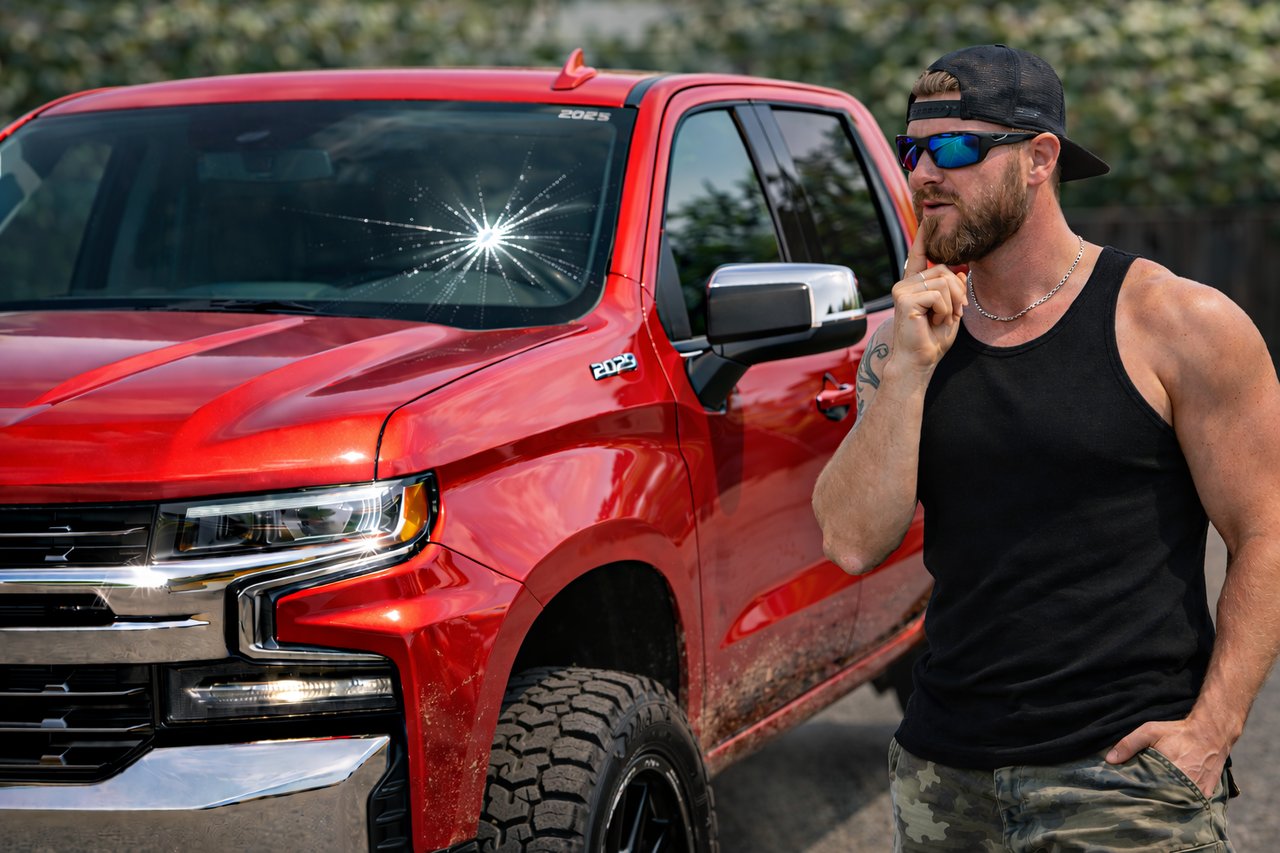
Glass availability fluctuates. Popular models with advanced features sometimes face backorders. If a small chip appears in that window, get it stabilized immediately. A 20-minute repair can keep you safe while you wait for the exact part. Quality resin fills block moisture and dirt, reduce visual distraction, and prevent most cracks from spreading. Insurers favor this approach because it avoids the cascade of costs that follows a failure and replacement. In Sanford, where heat cycles are sharp, a chip can turn into a crack on the next hot afternoon. Do not give it that chance.
Bringing it all together for Sanford drivers
You can keep this simple. Confirm your coverage, call a competent provider, and treat small damage right away. Most Sanford auto glass repair goes smoothly when the shop and insurer get aligned early. If your vehicle needs calibration, plan for either a longer mobile visit or a short trip to a calibration bay. If you prefer OEM glass or have a lease, say so at the start. Store your warranty in the glovebox, and test your driver-assist features on a calm stretch of road after the job.
For searchers trying to parse options, the phrases you might see online vary, but they all point to the same core service. Whether you look for auto glass Sanford, sanford auto glass repair, sanford windshield repair, sanford windshield replacement, sanford car window replacement, or sanford auto glass replacement, the right shop will ask smart questions before they send a truck. If you need a technician to come to you, mobile auto glass Sanford and sanford mobile windshield repair offerings are common locally. If you only have a small chip, rock chip repair Sanford can be quick and cost-effective, and it often preserves your no-claim status.
Good glass work should feel uneventful. The job done right means you barely think about it again, except when the next storm rolls through and you appreciate a clear, sealed view of the road.
Leave a Reply